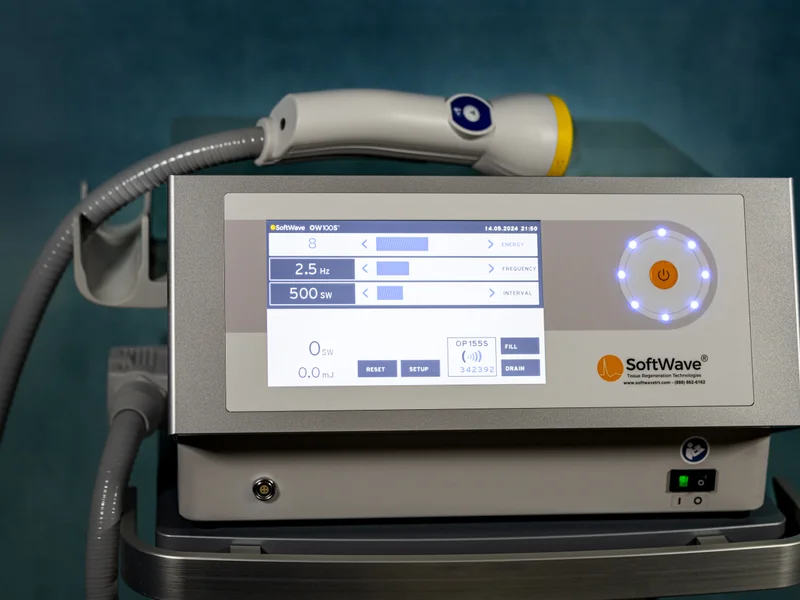
SoftWave therapy in Burnsville, MN — non-invasive acoustic wave treatment that stimulates the body's own repair response to heal stubborn pain and soft-tissue injuries.
Eagle Trace Spine & Sport
SoftWave Therapy in Burnsville
Some injuries stall. The pain lingers for months, the tissue never quite heals, and rest and stretching only go so far. SoftWave therapy at Eagle Trace Spine & Sport is a non-invasive way to jump-start healing in exactly those cases — using acoustic waves to wake up the body's own repair response in tissue that's been stuck. No drugs, no needles, no downtime.
We assess your injury and history to confirm SoftWave is a good fit — it shines on chronic tendon, fascia, and joint pain that hasn't responded to rest alone.
Step 2
Targeted acoustic-wave sessions
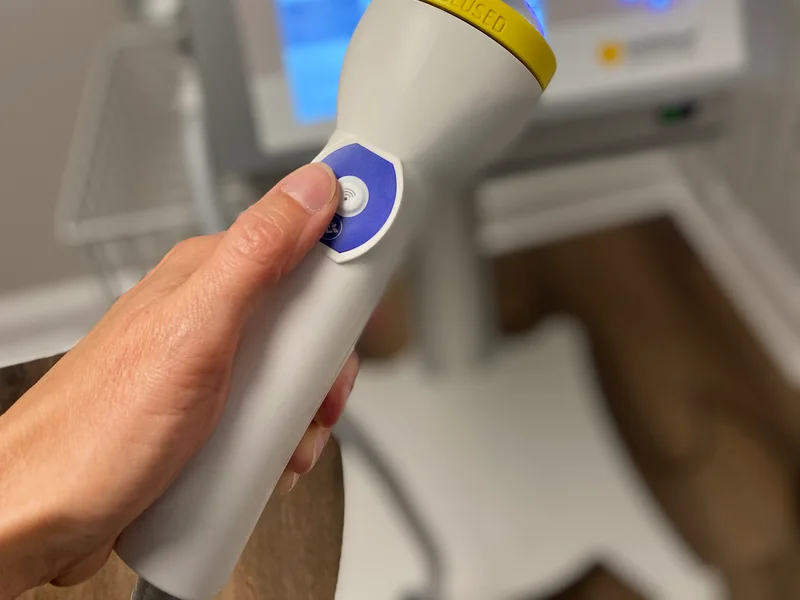
A handheld applicator delivers the waves directly to the injured tissue. Sessions are quick, comfortable, and require zero downtime afterward.
Step 3
Combine with care and rehab
We pair SoftWave with adjustments and targeted exercises so the regenerating tissue rebuilds under healthy mechanics — and the result holds.
Request a SoftWave Therapy consultation
Tell us a bit about your situation and our office will reach out to get you scheduled — usually the same business day. Prefer to talk to a person? Call or text (952) 808-2922.
Why patients choose it
Benefits of softwave therapy
Non-invasive — no drugs, needles, or downtime
Boosts blood flow to slow-healing tendons and fascia
Activates the body's natural repair response
Effective for chronic pain that hasn't responded to rest
A non-surgical option to consider before injections or surgery
Pairs naturally with chiropractic care and rehab
Quick, comfortable sessions you can fit into your day
The basics
About softwave therapy
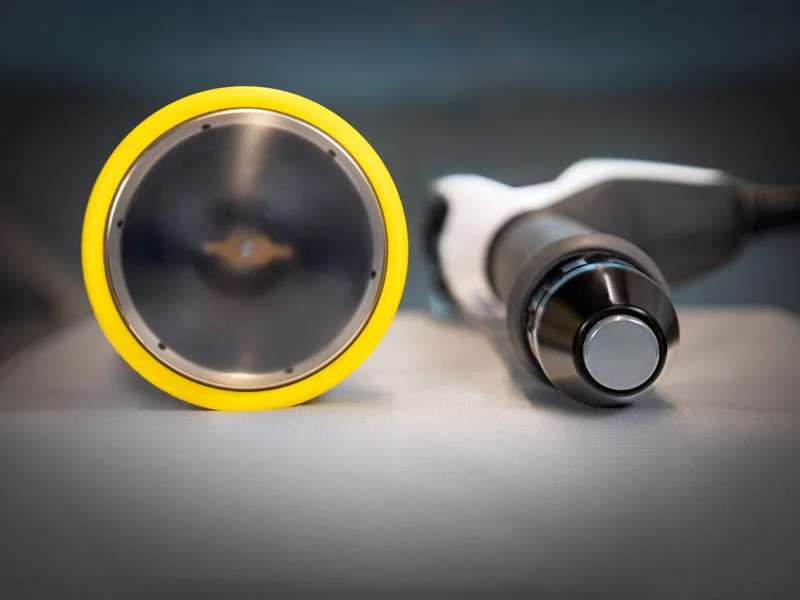
SoftWave is a form of regenerative acoustic-wave therapy. A handheld applicator sends unfocused, low-intensity shockwaves into the injured area. Those waves do two things: they increase blood flow to tissue that's often poorly circulated (tendons and fascia heal slowly precisely because they get so little blood), and they signal the body to recruit its own repair cells to the site.
The result is a renewed healing response in tissue that had effectively given up trying to repair itself. For chronic tendon problems, plantar fasciitis, and stubborn joint pain, that restarted repair process is often what finally moves the needle. SoftWave is non-invasive and requires no recovery time, so it pairs naturally with chiropractic care and rehab — addressing the tissue while we address the mechanics.
How SoftWave therapy works
Healthy tissue repairs itself constantly — but tendons, ligaments, and fascia receive very little blood flow, so when they’re injured they often heal slowly, or get stuck in a low-grade, chronic state that lingers for months.
SoftWave’s unfocused acoustic shock waves interrupt that stall in two ways:
More blood flow. The waves are thought to stimulate the growth of new microvessels (angiogenesis), bringing oxygen and nutrients to tissue that’s normally starved of circulation.
A reactivated repair response. The mechanical energy is thought to prompt the body to recruit its own repair cells to the area, helping restart a healing process that had effectively stalled.
Because it works with your biology rather than masking symptoms, results build over a series of sessions as the tissue rebuilds — which is exactly why it tends to help the injuries that haven’t responded to rest and time alone.
What makes SoftWave different from other shockwave therapy
Not every device labeled “shockwave” is the same. Many clinics use radial pressure-wave machines, which spread their energy out near the surface of the skin. SoftWave is an electrohydraulic, unfocused shock wave — it produces a true shock wave across a broad, deeper treatment zone, so a single pass can cover an injured tendon, joint, or muscle more completely.
For patients, that usually means efficient, well-tolerated sessions with no numbing and no anesthesia — and it’s a big part of why SoftWave is used for the deeper, more stubborn soft-tissue problems that surface treatments struggle to reach.
What to expect during a session
After we confirm SoftWave is a good fit for your injury, your clinician moves the handheld applicator over the treatment area. You’ll feel a tapping or pulsing sensation as the waves work into the tissue — some tenderness over an inflamed spot is normal and expected. A typical session takes only a few minutes per area, and there’s no downtime: you can drive yourself home and return to your day right away.
Most people do a series of sessions over several weeks. Chronic tendon and fascia injuries respond best to a consistent course, and Dr. Jeff Plaster will map out a plan after evaluating your injury and reviewing your goals.
Conditions SoftWave therapy can help
SoftWave is a strong fit for stubborn, slow-healing soft-tissue and joint problems, including:
It’s especially useful when poor circulation has slowed your recovery, or when you want a non-surgical option to try before moving on to injections or surgery.
Is SoftWave right for you?
SoftWave isn’t the right tool for every ache. It works best on chronic, mechanical soft-tissue and tendon pain — not on every source of discomfort, and not in place of a proper diagnosis. During your evaluation we confirm the diagnosis fits and screen for the handful of situations where SoftWave isn’t appropriate. If it isn’t the right fit, we’ll tell you, and point you toward the care that is.
Learn more about SoftWave
Want to dig deeper into the research and technology behind the treatment? You can read more directly from the manufacturer at softwavebenefits.com. It’s a helpful primer — and when you’re ready, Dr. Plaster can tell you whether SoftWave is a good fit for your specific injury.
Why choose Eagle Trace Spine & Sport
SoftWave is most powerful as part of a complete plan. Dr. Jeff Plaster combines it with chiropractic care, spinal decompression, and targeted rehab so you’re not just quieting symptoms — you’re rebuilding the tissue and the mechanics around it, so the result actually holds.
Ready to find out whether SoftWave can help your injury heal? Use the request form on this page and our office will reach out to get you scheduled, or contact us with any questions.
Still have questions? Contact us — we're happy to help.
What does SoftWave therapy feel like?+
Most patients feel a tapping or pulsing sensation over the treated area. It's generally well tolerated — mild tenderness over an inflamed spot is normal — and there's no numbing needed and no downtime afterward.
How many SoftWave sessions will I need?+
It varies by condition, but many patients do a series of sessions over several weeks. Chronic tendon and fascia injuries respond best to a consistent course. Dr. Plaster recommends a plan after evaluating your injury.
How is SoftWave different from radial shockwave therapy?+
SoftWave uses electrohydraulic, unfocused shock waves that reach a broader, deeper treatment zone, while many clinics use radial pressure waves that stay near the surface. That deeper coverage is why it's often chosen for stubborn tendon and joint pain.
What conditions respond best to SoftWave?+
Chronic soft-tissue and joint problems respond best — plantar fasciitis, rotator-cuff issues, tennis and golfer's elbow, knee pain, and lingering strains that haven't healed with rest. It's especially useful when poor circulation has stalled recovery.
How soon will I notice results?+
Because SoftWave works with your body's natural repair process, results build gradually over your course of care rather than all at once. Many patients notice changes within a few sessions, though chronic injuries can take longer.
Is SoftWave therapy safe? Are there side effects?+
SoftWave is non-invasive and well tolerated. Temporary redness, tenderness, or mild soreness in the treated area is the most common after-effect. We screen for the few contraindications during your exam before starting.
Can SoftWave be combined with chiropractic care?+
Yes — no referral is needed. SoftWave pairs naturally with chiropractic adjustments and rehab; we treat the injured tissue while we restore healthy movement, so it's often part of a broader plan rather than a standalone fix.
“Competent care, Dr Jeff listened to my issue and had a recommendation for my care. He even included a mode of care outside of his venue. In short, he really cares about my health.
And great, efficient staff.”
jtjim tikalskyVerified review · Google”
“After being in a car accident in December, I received a mailer from Dr. Plaster at Eagle Trace Chiropractic. I’d never sought chiropractic care after an accident before, but something told me to schedule an evaluation—and I’m so glad I did.
One of the things that immediately stood out was how thorough the initial appointment was. They took X-rays, and Dr. Plaster reviewed them with me right then and there. He explained exactly what he was seeing, where the problem areas were, and how they were contributing to the pain I had been living with—all in a way that was easy to understand without ever feeling overwhelming. His knowledge is incredibly impressive, but what really sets him apart is his ability to connect with people. You can tell he genuinely cares about every patient, and the fact that he’s learned multiple languages to better serve his community speaks volumes about the kind of person he is.
Since starting care at Eagle Trace, my body has done a complete 180. The chronic pain and tension in my neck and shoulders have improved more than I ever thought possible. I move better, I hurt less, and I honestly feel like I have a much better quality of life. It’s opened a door I didn’t even know existed.
My treatment plan was thoughtfully designed around my specific injuries and included adjustments, the rolling table, neck and lower back decompression, massage therapy, and SoftWave therapy. Every part of my care felt intentional, and every member of the team played an important role in my recovery.
The massage therapists are phenomenal, and the front desk staff are truly the heart of the office. They’re the same wonderful people who help with decompression treatments, and they’re always kind, welcoming, attentive, and encouraging. Every visit feels personal because they genuinely care about how you’re doing. They also went above and beyond to help me navigate my auto insurance claim, making sure I understood my coverage and handling so much of the process. They even offered to connect me with an attorney if I ran into issues with insurance. Knowing they were advocating for me took so much stress off my shoulders. They also have very reasonable self-pay rates, making exceptional care accessible.
I walked into Eagle Trace unsure whether chiropractic care would really make a difference for me. Today, I’m a firm believer because of the life-changing care I’ve received from Dr. Plaster and his incredible team. If you’ve been in a car accident—or you’re simply living with chronic pain—I cannot recommend Eagle Trace Chiropractic highly enough.”
ABAnna BatzVerified review · Google”
“Very nice facilities, the girls in front excellent, they really are. Dr Jeff Plaster, great guy, polite, and very professional and very thorough, he will explain every thing to you. then he will crack your back and neck , he has a good touch. and you will start to feel good. then you go to the rollers. Love them . the rollers really complete the experience. love them. All in all , its a good experience to get your adjustment for the back . I would say
it's a 5 star experience. Thank you All.”